The cultural significance of casinos in modern society
The Evolution of Casinos in Society
Casinos have undergone significant transformations since their inception, evolving from simple gaming establishments to multifaceted entertainment hubs. Initially, gambling venues were often clandestine, operated in back rooms and private clubs. Over time, however, they have become mainstream entertainment options that blend luxury, entertainment, and social interaction, appealing to a diverse demographic. Many players enjoy trying their luck with payid pokies, reflecting the evolving landscape of gaming.
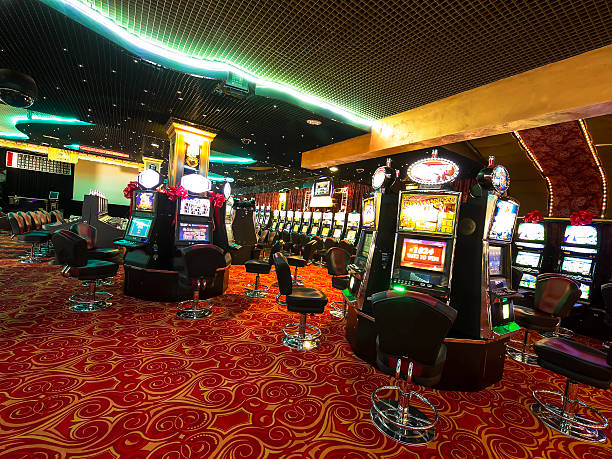
This evolution reflects broader societal changes, including shifts in attitudes toward gambling. In many cultures, gambling was once stigmatized, viewed as a vice. Today, casinos are often seen as legitimate forms of entertainment, contributing to local economies and tourism. Their growth mirrors the increasing acceptance of leisure activities that involve risk and chance.
Cultural Impact on Local Communities
Casinos can significantly impact local economies, providing jobs and boosting tourism. They often serve as key attractions, drawing visitors from both near and far. This influx of tourism fosters local businesses, from restaurants to hotels, creating a ripple effect that benefits the community as a whole.
Moreover, casinos often embrace local culture by incorporating regional themes and art into their design and operations. This not only enhances the visitor experience but also preserves and celebrates local heritage, allowing casinos to become cultural landmarks in their own right.
The Role of Casinos in Social Interactions
Casinos serve as social gathering spaces, offering environments where people can meet, connect, and engage in shared experiences. They provide a unique atmosphere that combines excitement, entertainment, and the thrill of chance, encouraging interaction among visitors. The variety of games and amenities allows for diverse social experiences, from casual encounters to celebratory gatherings.
In many cases, casinos also host events, concerts, and shows, further enhancing their role as community hubs. These gatherings foster relationships and create memories, reinforcing the notion that casinos are not merely places for gambling but vital social spaces that contribute to community cohesion.
Ethical Considerations and Responsible Gaming
With the rise of casinos, ethical considerations regarding gambling and its potential impact on individuals and society have gained prominence. While casinos can provide entertainment and economic benefits, they also pose risks such as addiction and financial difficulties for some individuals. This duality necessitates responsible gaming initiatives that promote awareness and support for those who may be vulnerable.
Many casinos are now adopting measures to encourage responsible gaming, offering resources and support for players. This includes educational programs, self-exclusion options, and partnerships with organizations focused on addiction recovery. By prioritizing ethical practices, casinos can help mitigate the negative aspects of gambling while maintaining their cultural significance.
Ensuring Genuine User Engagement
In the evolving landscape of online interactions, platforms like Bot Verification play a crucial role in maintaining the integrity of user experiences. By verifying genuine users, these services help safeguard against automated traffic, ensuring that online environments remain authentic and secure.
As casinos increasingly move online, the importance of trust and security becomes paramount. By eliminating the risks associated with bots and fraudulent activities, platforms dedicated to user verification enhance the overall experience for authentic users. This commitment to security and authenticity not only supports the integrity of online gambling but also contributes to the ongoing cultural significance of casinos in modern society.